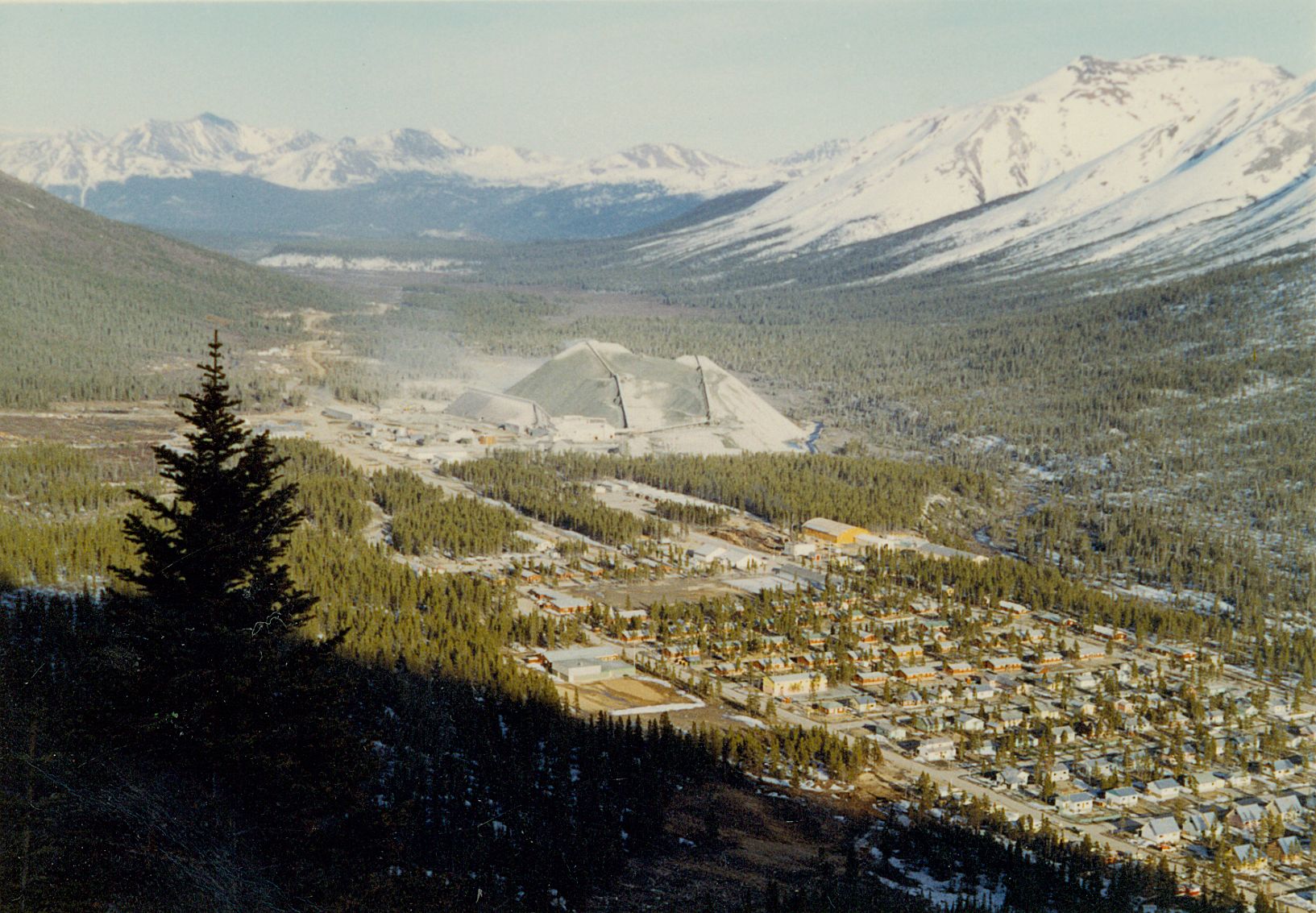
Across BC are the remains of once-booming towns born in the frenzy of the 19th-century gold rush and mining mania. The mine in one of these towns was recently deemed to be among the most polluted mines in the province. Cassiar, formerly a small asbestos mining town, has left a lasting mark on its previous residents, many of whom contracted asbestos-related diseases. Over thirty years after its closure, much of the mine has still not been reclaimed. Mine reclamation is the process of restoring land impacted by mining.
What happened at the Cassiar Asbestos Mine?
In the mountains of northern BC, the Cassiar Asbestos Company was founded in 1951 upon the discovery of asbestos in the area. A year later, the town of Cassiar was established and mining operations began. Within two decades, the town boasted a population of 1,500 and many amenities, including schools, churches, a hospital, a theatre and a hockey rink. The asbestos industry was booming – asbestos was affordable, durable and had wide-ranging uses. Cassiar thrived from this industry.
However, the lives of people in Cassiar would soon be impacted by the health impacts of asbestos. While asbestos was once celebrated as the “magic mineral,” the symptoms of asbestos-related diseases – such as violently coughing up blood – began to be seen in asbestos miners.
The health of Cassiar miners and residents was affected, given that asbestos was everywhere in town. Mine tailings (meaning waste materials from mining) were used as crush for driveways, and asbestos dust blew through town, covering the snow where children played. A University of British Columbia study examining the health of Cassiar residents confirmed that higher exposure to asbestos dust was associated with a greater likelihood of symptoms such as coughing, wheezing and breathlessness.
As the dangers of asbestos were increasingly understood around the 1980s, demand diminished. In 1992, the Cassiar Asbestos Company closed the mine and declared bankruptcy. The town of Cassiar was subsequently demolished.
While Cassiar is now a ghost town, its former residents stay in touch through Facebook. On the “Cassiar … do you remember?” page, previous residents share pictures and old newspaper clippings. Sometimes, people share obituaries of their loved ones – many of whom have passed away from cancer and lung disease. Residents who developed asbestos-related diseases do not have recourse against the Cassiar Asbestos Company, since it went bankrupt, and can only try difficult WorkSafe BC claims or claims for limited compensation through an asbestos compensation trust.
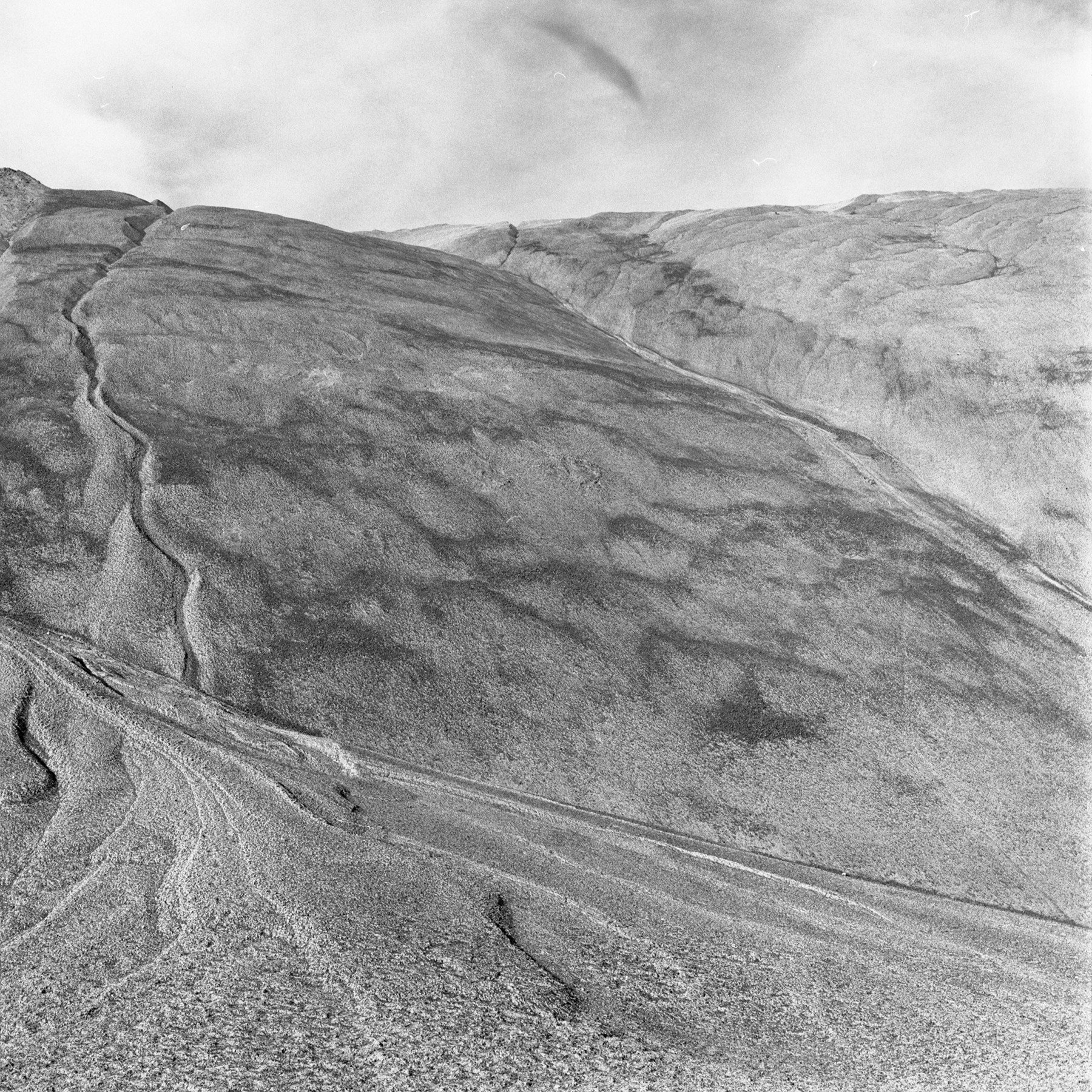
Mine tailings pile in Cassiar, BC. (Credit: Yvonne Hachkowski)
Who is in charge now?
In 2003, Cassiar Jade Contracting Inc. (CJCI) bought the mine’s operational permit for $1 under the condition that it would take on $50,000 worth of reclamation work annually. The company intended to mine the site for jade and remains its owner to this day.
Regrettably, much of the old asbestos mine remains to be reclaimed. Beginning in 2009, CJCI stopped filing annual reclamation reports for the mine, which were required by law. From 2016 to 2022, CJCI repeatedly failed to comply with orders to develop an updated reclamation program.
In 2023, an administrative penalty of $40,000 was finally issued against CJCI. In deciding to issue this penalty, the Office of the Chief Inspector of Mines found that the mine site “covers a very large footprint [with] multiple watercourses”, and that the adverse effects of CJCI’s failure are “long-term” and “cannot be addressed easily, nor in a reasonable time.”
CJCI appealed the penalty but was unsuccessful. In March 2024, CJCI “finally submitted an updated 5-year Reclamation and Closure Plan to revegetate 112 [hectares] of a total disturbed area of 477 [hectares].”
The lasting, detrimental and uncertain impacts of Cassiar
Globally, abandoned mines “leave gigantic scars on the Earth’s crust,” which may alter ecosystems and affect human health. In BC, old and abandoned mines present some of the most persistent and poorly-addressed sources of environmental harm. A 2016 audit of compliance and enforcement of the BC mining sector found that in 2015, about $1.2 billion in cleanup costs were not funded by resource companies. It further found that some mining risks related to human health and the environment were not disclosed well enough.
The social and health impacts of former mines are significant. They are also often long-term, diffuse and difficult to address.
The Cassiar case illustrates the enduring health impacts associated with former mines. As WorkSafe BC reports, asbestos-related diseases remain the leading cause of work-related deaths in BC, with dozens of deaths annually and many uncompensated.
Studies suggest that only a fraction of asbestos-related illnesses is captured in workers’ compensation data, reflecting both long periods between contact with asbestos and showing symptoms (often 10 to 50 years) and structural barriers to recognition and compensation. As put in this article by The Tyee, Cassiar is “the town that asbestos built,” but what remains is “the cancer it left behind.”
The true extent of the impacts of former mines like the Cassiar Asbestos Mine is unclear. We agree with BC Mining Law Reform that government must ensure that there is enough monitoring of former mine sites.
What changes do we want to see?
Current legislation on mine closure and reclamation is inadequate. BC Mining Law Reform’s report on Closure, Reclamation & Abandoned Mines finds that BC’s “current regulatory approach does not ensure that mines are properly cleaned up by the companies that profited from them.” It further concludes that poorly reclaimed mines can cause lasting environmental damage, pose serious health risks, and place heavy economic burdens on local communities, governments and businesses.
In response to the 2016 audit, BC introduced an interim policy in 2022 that increases its reclamation bonding requirements for mining companies. It seeks to “ensure that permittees for major mines pay the full cost of environmental cleanup and reclamation for their mine” through, among other things, requiring new mines to post full reclamation security equal to the company’s reclamation liability on the mine site for the first five years of its operation.
In other words, the mining companies must set aside enough money to cover the cost of dealing with the environmental impacts of the mine during the first five years of its operation. The liability is updated every five years.
However, this policy has been criticized for not going far enough because concerns exist as to whether estimates for cleanup are accurate and, in turn, whether sufficient funds are even being collected. Moreover, advocates have argued that these requirements should be enshrined in a regulation rather than a policy to ensure they are enforceable, particularly amid BC’s economic push to expand critical minerals production.
We agree with BC Mining Law Reform that “B.C. needs to track and support those with health-related impacts from the Cassiar Asbestos Mine. Health and safety standards for reclamation at the old asbestos mine site are needed, along with more progress to remediate this toxic site.” There remains a lack of research on the health outcomes faced by people who lived and worked in Cassiar.
Conclusion
Cassiar shows us that old mine sites that are not properly reclaimed represent not just environmental damage, but unfulfilled obligations with serious and lasting impacts. Until reclamation is properly enforced as seriously as extraction is permitted, these toxic legacies will continue.
Top photo: Cassiar townsite with tree shadow in foreground (Credit: Northern BC Archives, UNBC Accession No. 2000.1.1.3.13.04)