This op-ed was originally published in the Hill Times on November 25, 2025.
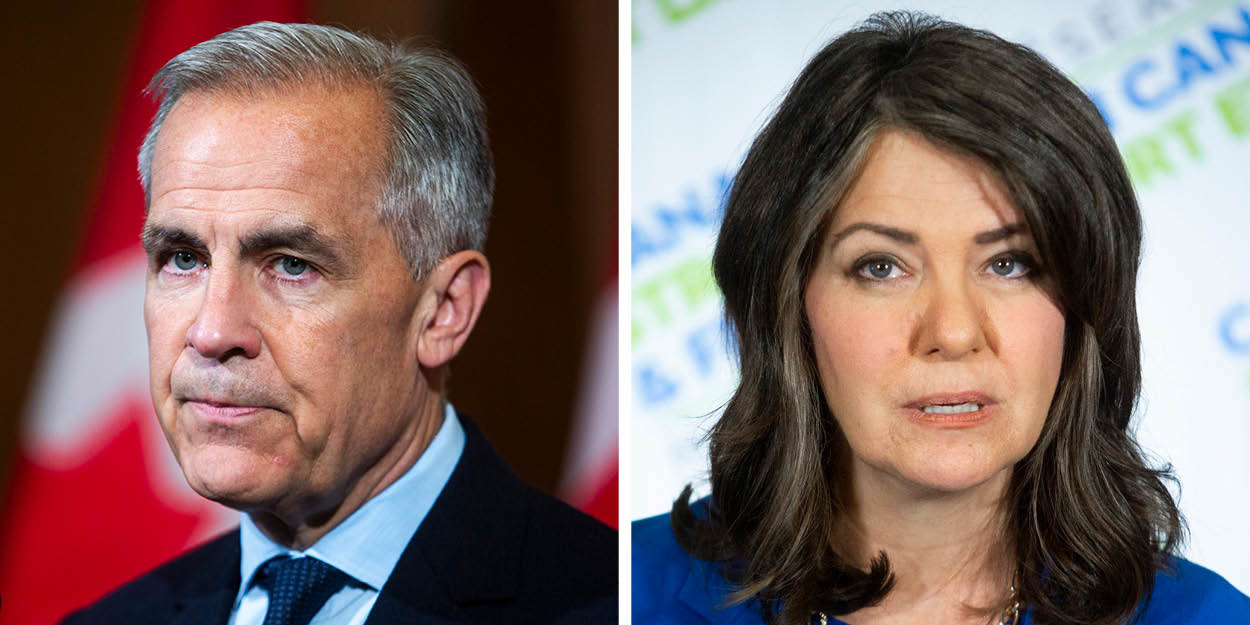
A northwest British Columbia coast oil pipeline and tankers project, anticipated as part of Prime Minister Mark Carney’s “grand bargain” with Alberta, is a fool’s errand. Canada has bargained with Alberta before, approving projects like LNG Canada and buying the Trans Mountain Pipeline Expansion (TMX) in exchange for flimsy climate policies that Alberta Premier Danielle Smith has since dismantled. The grand bargain was a grand flop.
A north coast pipeline is certain to face protracted legal battles. Coastal First Nations have reiterated their opposition, and, with B.C. Premier David Eby, recently signed the North Coast Protection Declaration urging Canada to maintain the long-standing north coast tanker ban.
Both the Northern Gateway and TMX projects had federal approvals overturned at least once due to inadequate First Nations consultation. Nations have made it clear that they will use all available legal tools to fight this pipeline, too.
The north Pacific waters oil tankers would have to navigate are treacherous, and the consequences of a catastrophic oil spill are unacceptable. As Coastal First Nations have said, they “have fought to keep crude oil tankers out of our territorial waters for over 50 years.” The Oil Tanker Moratorium Act is not just the result of decades of work by Indigenous and non-Indigenous communities to protect globally significant north coast marine ecosystems. It is also a legal symbol of Crown-Indigenous reconciliation in action, a manifestation of Indigenous and federal law working in tandem towards mutual goals.
Any agreement to exempt a pipeline from the tanker ban would saddle First Nations with the burden—once again—of defending communities and the environment from the catastrophic risks of oil spills. That would be the opposite of reconciliation, and counter to Carney’s promises to only pursue projects that have Indigenous Peoples’ support.
An oil pipeline also makes no economic sense. TMX was initially projected to cost $5.4-billion. Yet since the private sector proponent walked away, Canadian taxpayers have had to pour more than $40-billion into the purchase and construction of the project. These costs will never be fully recouped unless Trans Mountain negotiates better toll rates with oil companies. Moreover, a Pembina Institute analysis shows that jobs per barrel of oil have fallen sharply, decreasing 43 per cent from 2012 to 2023.
Both the International Energy Agency and Canadian Energy Regulator predict a steep decline of global oil markets if countries are serious about meeting climate targets, which is increasingly likely. Oil pipelines will become stranded assets, a financial burden that will be borne by Canadians—one that far outweighs any economic benefits.
What is more, the project would pose a significant risk to B.C.’s coastal economy. Ocean-based activities contribute more than $21-billion to B.C.’s gross domestic product, and employ more than 196,000 people. In the Great Bear Rainforest and Haida Gwaii, Indigenous-led conservation initiatives and major investments in sustainable development have supported more than 1,400 permanent jobs, led to the creation and acquisition of 140 businesses, and attracted $444-million in investments to the coast. These industries would be directly threatened by large crude oil tankers and the spill risk.
The Exxon Valdez oil spill released millions of gallons of crude oil into Prince William Sound, Alaska, affecting more than 2,000 kilometres of shoreline. The toxicity has persisted for decades. Like Northern Gateway, any new north coast pipeline would likely cross nearly 1,000 streams and rivers, including the headwaters of the Fraser and Skeena rivers. If the pipeline ruptured, toxic sludge would contaminate the entire length of the Fraser River to the Salish Sea.
As former environment and climate change minister Catherine McKenna has acknowledged, the federal government bought TMX with the understanding that Alberta and the oil and gas sector would reciprocate with emissions reductions. Instead, Alberta introduced an emissions pricing system that has failed to reduce its emissions and that has since been weakened.
Sacrificing B.C.’s coastal economy, ecosystems, and communities, and First Nations territories is not nation-building. All signs point to Smith having stoked separatist sentiment and rolled back carbon pricing as sharp negotiating tactics. No matter the stakes, there is zero evidence—in fact, only evidence to the contrary—that climate bargaining with Smith will pay off. B.C. will not be a pawn in her political game.